
Diploma in Food, Nutrition & Culinary Science (T26)


Course Overview
Do you like local favourites, such as chicken rice or roti prata? Imagine making them healthier and yet delicious! Are you curious about the secrets behind meatless meat or how to interpret a food label?
Discover the science behind the food we eat and see how food science, nutrition, and culinary skills are equally important. As you get hands-on experience in our on-campus central kitchen, you'll learn to prepare healthy, delicious, market-ready and safe meals. You'll also learn how to plan and conduct community health and nutrition programmes.
In Year 3, you can specialise in Applied Nutrition, Food Technology or Future Food Technology, where you will undergo work-based training and apply your skills in relevant areas. Our strong connection with the industry provides you with opportunities for real-world learning through local or overseas internships and industry projects. Our curriculum is designed to give you the skills and competencies required by the food and healthcare industry, so you will be ready to pursue a career you love.

THE ONLY 3-IN-1 FOOD SCIENCE COURSE
The only course in Singapore that integrates three sectors – food, nutrition and culinary science, facilitating multidisciplinary learning.

REAL-WORLD EXPERIENCE
Get hands-on work experience in our student-run learning enterprise, Bistro Lab, for a seamless transition to the food industry.

BUILD NEW SKILLS
Build the skills to conduct community health and nutrition programmes that will improve lives.


Entry Requirements
To be eligible for consideration for admission, applicants must obtain 26 points or better for the net ELR2B2 aggregate score (i.e. English Language, 2 relevant subjects and best 2 other subjects, including CCA Bonus Points) and meet the minimum entry requirements of this course. CCA cannot be used to meet the minimum entry requirements.
Subject
Grade
English Language (EL1)*
1-7
Mathematics (E or A)
1-6
Any one of the following subjects
- Biology
- Biotechnology
- Chemistry
- Food & Nutrition / Nutrition & Food Science
- Physics
- Science (Chemistry , Biology)
- Science (Physics, Biology)
- Science (Physics, Chemistry)
1-6
2026 Planned Intake
40
Net ELR2B2 aggregate range (2026 JAE)
5 - 12
* Sijil Pelajaran Malaysia (SPM)/ Unified Examination Chinese (UEC) holders must have a minimum of grade 6 for the relevant English Language subject (e.g. Bahasa Inggeris).
Note:
No colour deficiency.
To ensure compliance on food and workplace safety, applicants with any medical conditions including physical disabilities should make a declaration and obtain pre-enrolment medical clearance.
Students are required to work in non-halal certified kitchens and facilities, as well as handle various ingredients such as meats (including pork and their by-products); emulsifiers and gelling agents of animal origin; as well as alcohol-based products. Students may not necessarily consume these ingredients but will be required to evaluate and assess their physical/chemical properties.
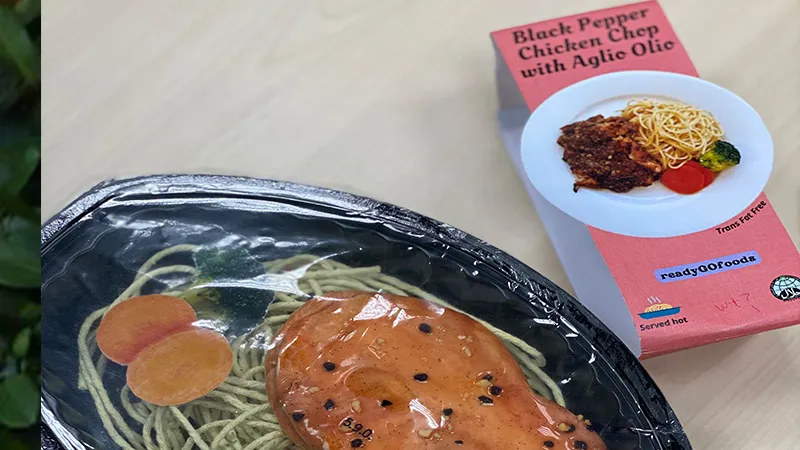
Product Development & Marketing
Product Development & Marketing is a project-based learning subject that allows students to experience the entire food product development process from idea generation to commercialisation. Students will also conduct sensory evaluation on their product. Being a multi-disciplinary subject, students integrate both food science and nutrition knowledge with culinary skills to develop their product.
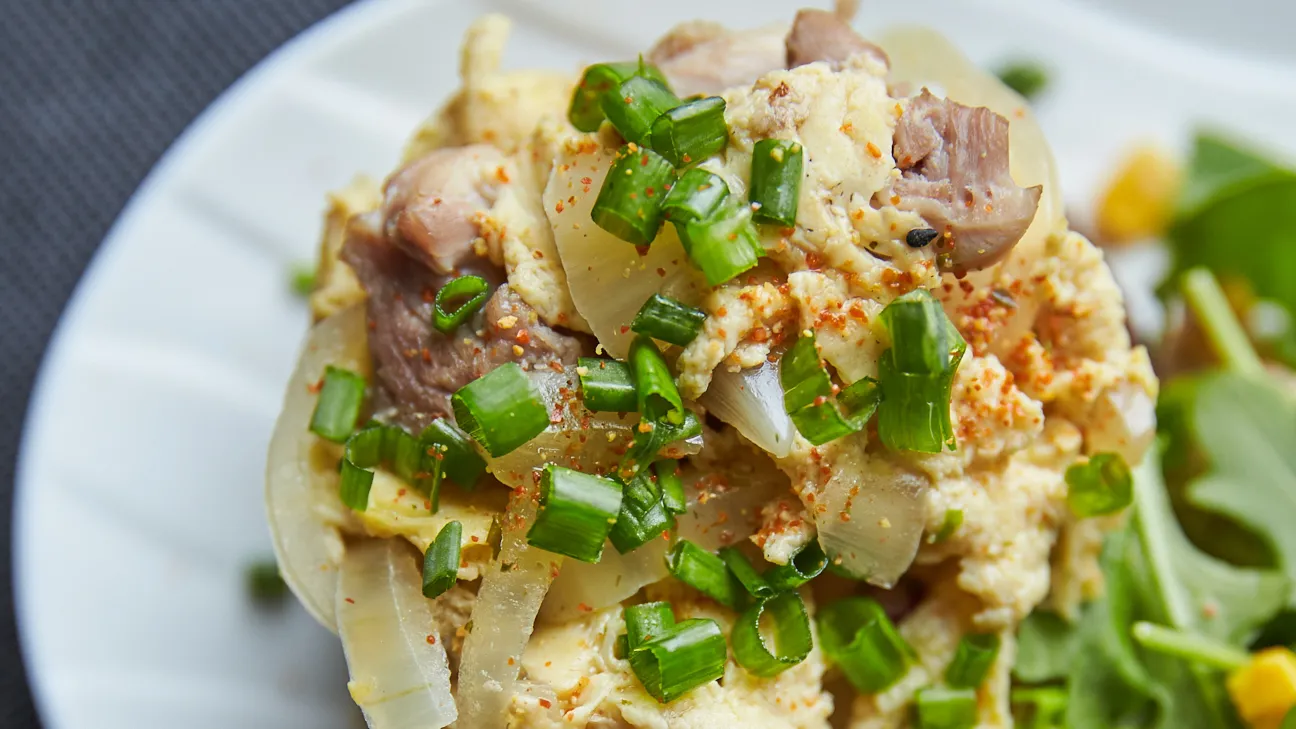
Guided Learning (GL)
A sharing by a student about her learning experience.
Being passionate about learning more about Japanese fusion cuisine, I was pleasantly surprised that GL allowed me to do just that! So I created a dish called Oyako Omelette with Potato Croquette - a playful combination of the traditional Oyako-Don dish and the deep fried potato cake called Croquette. Through this subject, I had learnt how to blend different flavours but still retain that traditional Japanese touch after that new ’makeover’!
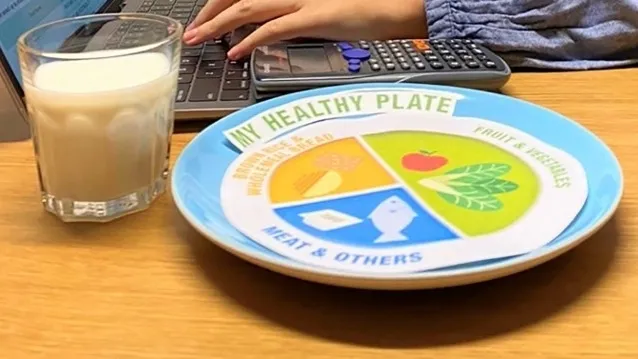
Nutrition & Health
Discover the importance of food as contributors of nutrients (macro and micro) – the building blocks of life and health. Students learn to use the nutrient databases to conduct nutrient analysis in order to understand and evaluate their dietary intake. This subject teaches students on how to plan healthier meals.
- Year 1
- Year 2
- Year 3
- TPFun
You will begin your journey by building a strong broad-based foundation through core subjects ranging from microbiology, cell biology, mathematics to conservation, nutrition and workplace safety.
| Subject Code | Subject | Credit Units | ||
|---|---|---|---|---|
| AMB1005 | Basic Microbiology
This subject investigates the important fundamentals of microbiology and its relevance to the food, biomedical, biotechnology, veterinary, pharmaceutical and chemical industries. It introduces the types of microorganisms and focuses on the growth, cultivation and control of these microorganisms. |
4 | ||
| AMA1009 | Digitalisation in Applied Science
This subject introduces the basic concepts of data analytics, including data cleaning, processing, and visualisation using various productivity applications within the context of applied science. It also covers the use of computational thinking in developing simple applications. |
2 | ||
| APH1004 | Laboratory & Workplace Safety
This subject provides students with knowledge and skills to practise health and safety aspects at workplace and in the laboratories. It involves an introduction to Good Laboratory Practice, and the identification and classification of biological, chemical, physical and ergonomic hazards. The subject also covers the conduct of risk assessment, risk controls and monitoring as well as communication of these risks to all persons involved in compliance with the Workplace Safety and Health (Risk Management) Regulations. |
3 | ||
| AMA1003 | Mathematics for Applied Science
This subject is designed to focus on the concepts and applications of mathematics in chemical engineering, food and nutrition science, medical biotechnology, pharmaceutical and veterinary science contexts. Topics include units of measurement, functions, logarithm, differentiation and integration. |
3 | ||
| ACH1012 | Principles of Inorganic & Physical Chemistry
This subject covers fundamental principles of chemistry, chemical bonding, stoichiometry, solutions, rates and equilibria of chemical reactions, and properties of acids, bases and salts. |
4 | ||
| AMA1004 | Statistics for Applied Science
This subject provides you with the basic statistical techniques that are essential for your course of study. Topics covered include basic probability and distributions, basic statistics, sampling distribution, hypothesis testing, analysis of variance and chi-square testing. |
3 | ||
| APS1001 | Applied Project Skills
This subject covers the basics required in embarking on an applied science project, through the exposure to experiential and interdisciplinary learning as well as project management essentials. Students will develop critical thinking and communication skills and engage in team building and/or networking as they apply their learning in contextualised activities. |
3 | ||
| ANT1006 | Basic Nutrition and Food
This subject focuses on the dietary sources, roles and importance of macro- and micronutrients, as well as non-nutrients, for health. It covers basic concepts such as label reading and calculating nutrient content of foods using food composition tables and other databases. Digestion and absorption of nutrients, fluid and electrolyte balance and factors affecting the bioavailability of nutrients are also included. |
4 | ||
| ABC2025 | Food Principles in Baking Application
This subject focuses on the application of food science principles in the production of bakery products. It encompasses food chemistry, baking science, ingredient selection and fundamental baking skills required for preparing a variety of bakery products. Safe equipment operation and advances in baking technology are also included. |
5 |

Discover the science behind foods through subjects such as Chemistry of Food and Science of Food Ingredients. Learn essential kitchen skills and nutrition to plan diets to meet various nutritional needs. Discover the application of various technologies for efficient mass food production that will support your foundation in areas like product development and food safety.
| Subject Code | Subject | Credit Units | ||
|---|---|---|---|---|
| AFS2017 | Food Safety & Quality Assurance
This subject introduces important concepts such as Good Manufacturing Practices (GMP) and Good Laboratory Practices (GLP) and food safety management systems such as Hazard Analysis Critical Control Point (HACCP). Sampling techniques and a variety of food testing methods commonly used to assess the safety of food is also covered. |
4 | ||
| ANT2012 | Lifespan & Community Nutrition
This subject introduces the physiological basis for nutritional requirements of individuals across the lifespan, which underpins the public health and nutrition concerns of community groups. Methods for conducting nutrition assessment for individuals and communities and interpretation of data using appropriate references are covered. Planning meals and evaluating dietary intakes based on nutrition principles, guidelines and standards are also covered. Knowledge, attitude and practices (KAP) survey methodology is also included. |
5 | ||
| ANT2013 | Metabolism & Medical Nutrition Therapy
This subject introduces the major metabolic pathways involving carbohydrates and lipids and explains the biochemical mechanisms of common diet-related diseases. It covers the pathophysiology, causes, risk factors, diagnostic criteria and symptoms of obesity, diabetes and cardiovascular diseases. Evidence-based dietary principles, integrated into the four-step Nutrition Care Process (NCP) as the standard approach in formulating individualized nutrition care plans for the dietary management of diseases, is introduced. |
5 | ||
| AFS3008 | Product Development & Marketing
This subject covers the fundamentals for developing new food products. You will develop food products that fulfil the legislation through the use of suitable ingredients, processing methods and techniques in food preservation. Principles of marketing and product commercialisation will also be covered. |
5 | ||
| AFS2014 | Science of Food Ingredients
This subject focuses on the ingredients and additives used in food production, with special emphasis on bakery products. Reactions and functional properties of ingredients and additives such as emulsifiers, stabilizers, colourings and flavourings will be covered. Regulations on the use of additives are also included. |
5 | ||
| ABC2026 | Food Principles in Culinary Application
This subject focuses on the application of food science principles in a culinary setting. It covers food chemistry, culinary science and technology and ingredient selection. Basic knife skills and cooking techniques for preparation of various recipes are also covered. Kitchen safety is also included. |
5 | ||
| ANT1007 | Anatomy and Physiology for Nutrition
This subject covers the structure and functions of essential organ systems, and their roles in nutrition and health. Introductory concepts of enzymology, metabolism and transportation across the biological membrane are also included. |
4 | ||
| AFS2016 | Food Analysis and Sensory Evaluation
This subject focuses on common food analysis techniques, such as physicochemical and microbiological tests. It also covers the science and practices of sensory evaluation of food products, along with the statistical methods used to analyse the results. |
5 |
Get ready to gain practical work experience through an exciting internship and a challenging major project. You will further develop industry-specific knowledge and skills in areas such as food technology or applied nutrition.
| Subject Code | Subject | Credit Units | ||
|---|---|---|---|---|
| AMP3019 | Major Project
This subject provides a framework for you to solve practical and/ or technical problems, conduct research work and/or develop studies through a self-managed project. The scope of the subject includes project proposal, investigative studies, data analysis and interpretation of results, written report and presentation. |
6 |
Diploma Elective Cluster Subjects
| Subject Code | Subject | Credit Units | ||
|---|---|---|---|---|
| ANT3007 | Clinical Nutrition & Food Service Management
This subject covers metabolic pathways related to protein and alcohol. It covers pathophysiology, risk factors, diagnostic criteria, and symptoms of gastrointestinal, chronic kidney and liver diseases. Systematic approach using the Nutrition Care Process (NCP) to manage these diseases through dietary interventions will be covered. Practicum training in high volume food production for foodservice operations will also be taught. |
9 |
| Subject Code | Subject | Credit Units | ||
|---|---|---|---|---|
| AFS3013 | Food Process & Production Technology
This is a practicum-based subject which provides hands-on experience in large-scale food production for food service operations, incorporating food processing techniques within a work-based learning framework. Food processing methods, hurdle technology, food engineering, and the utilisation of processing equipment in food production will be covered. Concepts of food packaging technology, such as packaging materials, equipment used, and techniques will be introduced. |
9 |
| Subject Code | Subject | Credit Units | ||
|---|---|---|---|---|
| AFS3012 | Food Biotechnology
This subject covers knowledge and skills in mammalian cell culture and molecular biology that are needed for future food research and production. It provides an overview of applications of cell and molecular technology on future food and personalized nutrition. Concepts of sustainable food compounds, as well as principles of bioprinting are also introduced. |
9 |
| Subject Code | Subject | Credit Units | ||
|---|---|---|---|---|
| ASM3001 | Marketing of Science Products and Services
The subject covers marketing concepts, code of ethics, guidelines and regulations governing the sales and sustainable marketing of products and services that can be applied in various sectors of the applied science industry such as life science, chemical, pharmaceutical, food, and pet industries. |
5 | ||
| BSE2001 | Business Development
This subject is designed to equip students with the essential skills and knowledge to identify and seize business opportunities, build and maintain strategic partnerships, and foster sustainable growth. The subject covers key aspects such as opportunity identification, relationship management, communication skills, negotiation skills, and cultural competence. Through a combination of theoretical insights and practical applications, students will learn to navigate the complexities of business development in a dynamic and globalised market. |
4 |
| Subject Code | Subject | Credit Units | ||
|---|---|---|---|---|
| AWB3001 | Guided Work-based Learning
This is a competency-based subject that aims to develop students’ industry-specific knowledge, skills and attitudes through a structured on-the-job training programme. Students will work with company supervisors to develop and execute a learning plan based on their job role(s), and monitor and reflect on their learning progress. Students’ acquisition of the essential knowledge and technical and generic skills will be evaluated through various assessment methods which may include competency tests, completion of relevant certification courses/training programs. |
9 |
| Subject Code | Subject | Credit Units | ||
|---|---|---|---|---|
| EMA3002 | Modelling & Analysis
The main objective of this subject is to provide students firm foundations of single variable calculus so that they can apply calculus to model, solve and analyse applied math problems. It aims to motivate students on the importance of calculus through a plethora of applications in engineering, physical and biological sciences, computer science, finance, economics, probability and statistics and other topics. On top of the basic concepts, techniques and applications of two branches of calculus - differentiation and integration, students will also learn to use simple software to implement numerical methods in calculus. |
4 | ||
| ESC3002 | Physical World
This subject provide students with the ability to understand and explain the inner mechanism of the physical world based on the principles of mechanics and thermodynamics. It aims to help students appreciate the beauty of physics and enable them to apply key concepts learnt to evaluate and address physics-based problems to make a positive impact on the world. By using concepts established through simplified mathematical models, reverse engineering case studies and experiential learning through hands-on demonstrations, connections between physics concepts and theoretical models are reinforced with practice. |
4 | ||
| ESE3015 | Computational Thinking for Design
This subject covers programming both in the architectural design and computing contexts targeted at novice programmers. It will introduce students to programming and design computing skills that are essential for their studies. Students will learn visual programming and python programming together with design concepts, and will apply these skills in related projects. |
4 | ||
| ECS3003 | Global Humanities: Literature, Philosophy & Ethics
This subject examines stories as a way to understand ourselves and our world. Some of these stories have endured for centuries and spread far beyond their locus of origin. They raise questions that resonate with our lives even today. This subject will equip you with critical reading, thinking, and writing skills by exploring different ways of reading and interpreting classic texts. You will learn to identify the connections between various texts and between thinkers in history – ranging from those in ancient China and Greece to those in contemporary Singapore. |
4 |
You will also take this set of subjects that equips you with the crucial 21st-century life skills you need to navigate the modern world as an agile, forward-thinking individual and team player.
| Subject Code | Subject | Credit Units | ||
|---|---|---|---|---|
| GTP1103 | Effective Personal Leadership
This subject examines self-management and self-leadership through an exploration of values and beliefs, necessary for adapting to the world of work. It covers topics such as self-management and awareness, values and ethics, interpersonal communication, teamwork, resilience and emotional intelligence for enhancing leadership capabilities. These can significantly influence careers, relationships, and overall well-being. This subject is a reflective exploration of ‘leadership from within’ to have a greater awareness for the development of attributes required in an effective values-centred leader for oneself and for others. |
3 | ||
| GTP1203 | Career Readiness & Communication
This subject equips students with career preparation skills through better understanding of their career interests, values, skills and aspirations. Topics covered include personal branding, job search strategies, resume and cover letter writing, and interview techniques. In addition, students will gain awareness of workplace communication to succeed in their careers and achieve professional goals. |
3 | ||
| GTP1303 | Current Issues & Critical Thinking
This subject provides a comprehensive introduction to critical thinking by engaging students with current local and global issues. Students will learn to analyse diverse perspectives and uncover underlying assumptions in opinions, evaluate the credibility and bias of information sources, and construct well-reasoned, evidence-based arguments using established critical-thinking frameworks. They will also assess the societal, ethical, and personal implications of contemporary problems, and develop the ability to communicate their conclusions clearly and persuasively, employing appropriate digital tools to support their ideas. |
4 | ||
| INV1001 | Innovation & Entrepreneurship
The subject is designed for learners from all disciplines to embrace innovation in either their specialised field or beyond. Learners will be taught to apply the Design Thinking framework to develop problem statements, ideate and identify feasible solutions. Learners will be exposed to several tools for prototyping. In addition, commercial awareness will be imbued in learners through various innovation and entrepreneurship concepts or tools. This subject also prepares students to be self-directed lifelong learners who are digital and information literate. It nurtures communicative and collaborative citizens who can use objective analysis in problem-solving. |
2 | ||
| LSW1002 | Sports & Wellness
This subject reinforces the fundamental knowledge learnt on health, fitness, exercise and sports. Hands-on time will be allocated for a greater variety of fitness exercises and sports skills in a recreational setting. In addition, theoretical knowledge such as sports safety and risk management when participating in physical activities will be introduced. Guidance will be provided for improvement of physical fitness, acquiring of sports skills and relating theoretical knowledge to the physical activities. |
2 | ||
| TGS1002 | Global Studies
This subject provides essential skills and knowledge to prepare students for an overseas experience. They will examine the elements of culture and learn the key principles of cross-cultural communication. In addition, they will gain an appreciation and awareness of the political, economic, technological and social landscape to function effectively in a global environment. The subject prepares students to be responsible global citizens and leaders who can contribute to the global community through effective communication and collaboration. |
3 | ||
| TGS1003 | Sustainability & Climate Action
This subject prepares students to be responsible global citizens and future leaders who can contribute to the global community. It introduces the topics of sustainability and explores how human societies can act to build a sustainable future. This subject focuses on the impact of climate change, potential solutions to climate change, and the future of the green economy from global and local perspectives. |
3 | ||
| ASI3033 | Student Internship Programme
This structured programme is designed to link your learning with the real work environment. You will be placed in organisation(s) with opportunities to apply the concepts and skills acquired in the course of your study. Besides reinforcing technical concepts and mastering of skills in areas that you have been trained, the practical training will enable you to build important skills such as problem-solving, communication, teamwork, and to cultivate good attitude and a strong work ethic |
14 |
| Subject Code | Subject | Credit Units | ||
|---|---|---|---|---|
| GTP1304 | Beyond the Classroom: Guided Learning
This subject empowers students to take charge of their personal learning in a chosen area of inquiry. Students will broaden or deepen their knowledge and skills, fostering a proactive approach to lifelong learning. Following a scaffolded process, students will design and execute a personalised learning plan that extends beyond traditional classroom walls. The journey culminates in a curated portfolio that highlights their achievements and growth. |
3 |
Graduation Requirements
Cumulative Grade Point Average
min 1.0
TP Fundamentals Subjects
min 34 credit units
Diploma Subjects - Core Subjects
75 credit units
Diploma Subjects - Elective Subjects
min 9 credit units
Total Credit Units Completed
min 118 credit units

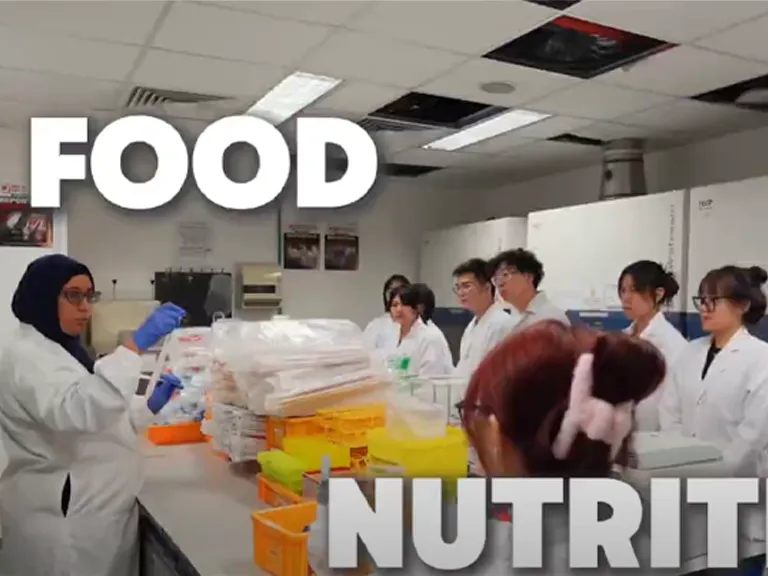
FNConnects
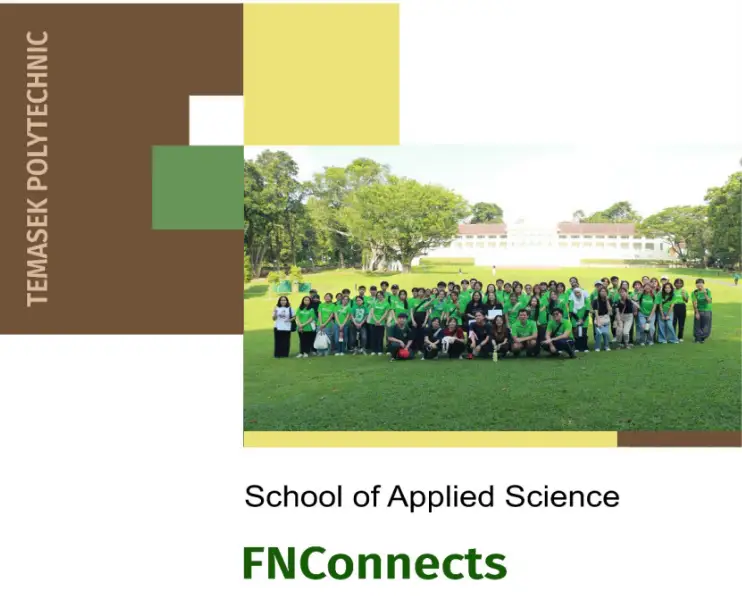
FNConnects is a student-led Diploma newsletter that highlights student achievements, internships, and unique learning experiences beyond the classroom. From content creation to layout design, students manage every stage of the publication. The newsletter captures authentic student voices and perspectives, offering prospective students a snapshot of the vibrant and enriching experiences within FNC.
FNConnects AY2627 Apr Issue
FNConnects AY2526 Oct Issue
FNConnects AY2526 Apr Issue
FNConnects AY2425 Oct Issue

"The Diploma in Food, Nutrition & Culinary Science gives me the opportunity to venture into three possible career pathways in related industries. I have picked up many laboratory & culinary skills through the course that better prepare me for the future. "
Jason Goh Jie Sheng, Student

"What I really enjoy about this course is the variety of skills that I get to learn – from baking and cooking, to research via Differential Research Projects, and nutrition assessment. A subject that I really enjoy is Principles of Biochemistry and Physiology for Nutrition. I learn what actually happens to the nutrients that I consume at the cellular level and how nutrition affects my body functions and much more. It truly prepares me to be a future nutritionist! "
Lim Hui Yi, Student

"Being in FNC has really brightened my experience in TP. One thing I really enjoy are the kitchen practical lessons from Fundamental Culinary Techniques and Fundamental Baking Techniques. I’m a hands-on person and I really enjoy being in the kitchen, learning new recipes and trying them out. I had also gotten the chance to take part in a cooking challenge among FNC students and it really broaden my horizon on future food products. I want to pursue my passion for food and this course is perfect for it."
Bryan Chia, Student
/CCM_thumbnail.webp)

I avoid pork due to my religious dietary requirement. How will this affect my coursework? Will I be penalised?
- I avoid pork due to my religious dietary requirement. How will this affect my coursework? Will I be penalised?
Students are required to work in non-halal certified kitchens and facilities, as well as handle various ingredients such as meats (including pork and their by-products); emulsifiers and gelling agents of animal origin; as well as alcohol-based products. Students may not necessarily consume these ingredients but will be required to evaluate and assess their physical/chemical properties.
Are we required to wear a uniform or follow a special dress code?
- Are we required to wear a uniform or follow a special dress code?
To ensure safety during laboratory sessions, students are required to wear the right attire (and appropriate personal protective equipment as necessary). To present a positive and professional image, students working in our culinary laboratory also have a dress code to follow.
Where are some possible internship placements for students of this diploma?
- Where are some possible internship placements for students of this diploma?
It depends on your elective option. Students taking the nutrition electives can be placed in hospitals, nutrition consultancies or agencies like Health Promotion Board, A*Star or Singapore Sports Institute. Students taking the food science electives will likely be placed with manufacturing firms, flavour houses, R&D/innovation centres or Small Medium Enterprises (SMEs). Students taking the culinary electives can look forward to internship placements in central kitchens, R&D kitchens and production facilities. Some students might also want to explore overseas internship placements.
Contact
- aschotline@tp.edu.sg
- Website: https://www.tp.edu.sg/asc
-
School of Applied Science
Temasek Polytechnic
East Wing Block 1A
21 Tampines Ave 1
Singapore 529757