Diploma in Medical Biotechnology (T64)


Course Overview
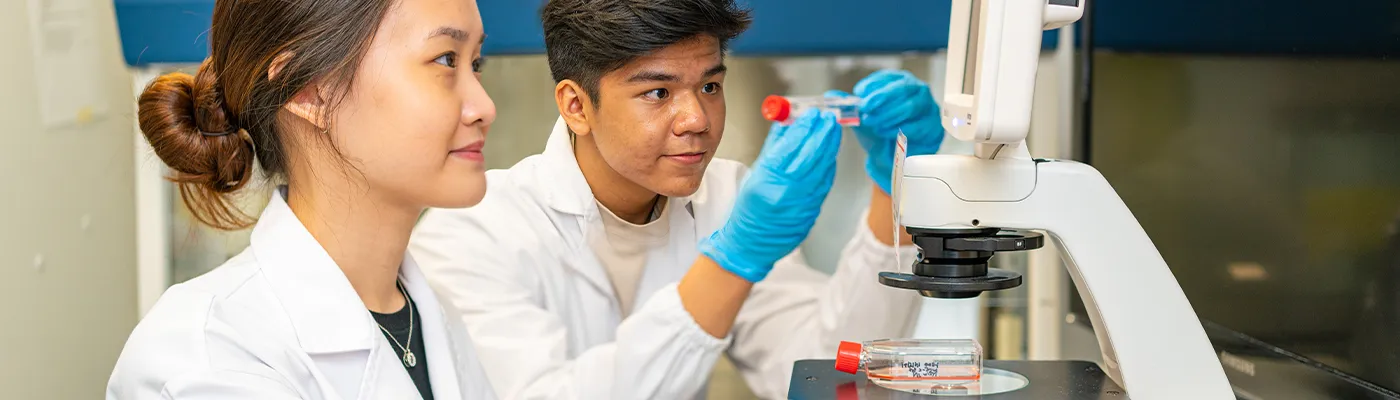
Do you want to make a difference in the world of healthcare? The Diploma in Medical Biotechnology at Temasek Polytechnic is your gateway to a career that make significant contributions to patient care and medical science. This unique program stands as Singapore’s only diploma that equips you in biotechnology, biomedical science, and healthcare industries.
Medical biotechnology innovatively uses living cells and cell materials for research to develop more efficient ways of maintaining and improving human health. This course also combines theory with hands-on experience to equip you with the skills to become a versatile professional in clinical laboratory and cardiac diagnosis.
In Year 3, you can opt for one of the following industry- relevant Elective Clusters: Cardiology Technology, Clinical Laboratory Practice, Pharmaceuticals & Biologics Manufacturing, Translational Biological Research, and Technical Sales & Marketing. Your hands-on experience won't just be limited to the classroom; a six-month internship program, either local or overseas, will see you applying your knowledge in real-world settings, honing your skills alongside industry professionals.
As a graduate, a myriad of exciting career paths await you. Whether as a laboratory technologist, an associate clinical research coordinator, or a cardiac technologist, you'll be entering industries that value your expertise in research institutions, biotechnology companies, hospitals, diagnostic laboratories, heart centres and cardiology clinics.

ONE AND ONLY
Singapore’s exclusive medical biotechnology diploma that offers comprehensive training in biotechnology, biomedical science, and healthcare skillsets.
INDUSTRY RELEVANT
Endorsed by the prestigious American Society for Clinical Pathology (ASCP), preparing graduates for the Medical Laboratory Technician Examination.
CAREER ACCELERATOR
Introducing a new elective specifically designed to train cardiac technologists, enhancing career opportunities in the rapidly growing field of cardiac diagnostics.


Entry Requirements
To be eligible for consideration for admission, applicants must obtain 26 points or better for the net ELR2B2 aggregate score (i.e. English Language, 2 relevant subjects and best 2 other subjects, including CCA Bonus Points) and meet the minimum entry requirements of this course. CCA cannot be used to meet the minimum entry requirements.
Subject
Grade
English Language (EL1)*
1-7
Mathematics (E or A)
1-6
Any one of the following subjects
- Biology
- Biotechnology
- Chemistry
- Food & Nutrition / Nutrition & Food Science
- Physics
- Science (Chemistry , Biology)
- Science (Physics, Biology)
- Science (Physics, Chemistry)
1-6
2026 Planned Intake
55
Net ELR2B2 aggregate range (2026 JAE)
3 - 8
* Sijil Pelajaran Malaysia (SPM)/ Unified Examination Chinese (UEC) holders must have a minimum of grade 6 for the relevant English Language subject (e.g. Bahasa Inggeris).
Note: Applicants with complete Colour Appreciation Deficiency are not eligible to apply.
Cardiac Diagnostics
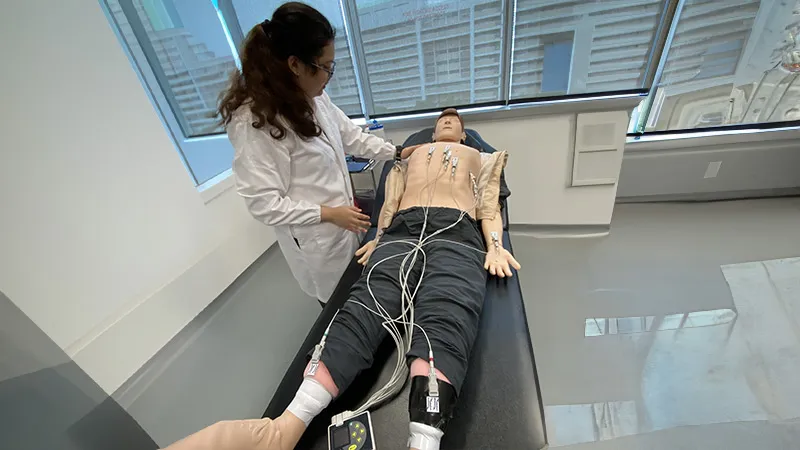
Dive into the thrilling world of cardiac anatomy and physiology, explore dramatic changes in cardiovascular diseases, and master diagnostic techniques like electrocardiography and echocardiography. Students in this course unleash their potential in performing cardiac diagnostics right at the workplace through hands-on clinical attachment!

Bioproduct Innovation
Students in this course can tinker and develop innovative prototypes for diagnostics and sustainable urban living. Students learn the best when applying the knowledge and skills from biotechnology, design thinking and research methodology in coming out with creative solutions to tackle mankind’s pressing needs.
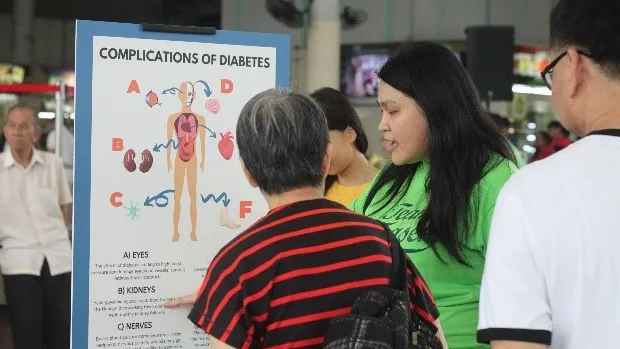
Service Learning
Service learning is when students use what they have learnt to contribute to or help the community. Above photo shows a collaborative project with the Housing Development Board (HDB), called Dia-Beat-it. Students organised a public education event to increase diabetes awareness among the general public.
- Year 1
- Year 2
- Year 3
- TPFun
You will begin your journey by building a strong broad-based foundation through core subjects ranging from microbiology, cell biology, mathematics to conservation, nutrition and workplace safety.
| Subject Code | Subject | Credit Units | ||
|---|---|---|---|---|
| AMB1005 | Basic Microbiology
This subject investigates the important fundamentals of microbiology and its relevance to the food, biomedical, biotechnology, veterinary, pharmaceutical and chemical industries. It introduces the types of microorganisms and focuses on the growth, cultivation and control of these microorganisms. |
4 | ||
| AMT1004 | Cell Biology & Biochemistry
This subject introduces the biology of cells and the structure-function relationship of cells, cellular membranes and organelles. It covers basic concepts of organic chemistry and the structure-property relationship of essential biomolecules. Basic laboratory skills involving the study of cell structures with the use of cell staining and microscopy techniques, as well as basic biochemical analysis will also be introduced. |
5 | ||
| AMA1009 | Digitalisation in Applied Science
This subject introduces the basic concepts of data analytics, including data cleaning, processing, and visualisation using various productivity applications within the context of applied science. It also covers the use of computational thinking in developing simple applications. |
2 | ||
| APH1004 | Laboratory & Workplace Safety
This subject provides students with knowledge and skills to practise health and safety aspects at workplace and in the laboratories. It involves an introduction to Good Laboratory Practice, and the identification and classification of biological, chemical, physical and ergonomic hazards. The subject also covers the conduct of risk assessment, risk controls and monitoring as well as communication of these risks to all persons involved in compliance with the Workplace Safety and Health (Risk Management) Regulations. |
3 | ||
| AMA1003 | Mathematics for Applied Science
This subject is designed to focus on the concepts and applications of mathematics in chemical engineering, food and nutrition science, medical biotechnology, pharmaceutical and veterinary science contexts. Topics include units of measurement, functions, logarithm, differentiation and integration. |
3 | ||
| ACH1012 | Principles of Inorganic & Physical Chemistry
This subject covers fundamental principles of chemistry, chemical bonding, stoichiometry, solutions, rates and equilibria of chemical reactions, and properties of acids, bases and salts. |
4 | ||
| AMA1004 | Statistics for Applied Science
This subject provides you with the basic statistical techniques that are essential for your course of study. Topics covered include basic probability and distributions, basic statistics, sampling distribution, hypothesis testing, analysis of variance and chi-square testing. |
3 | ||
| AMT1008 | Human Anatomy and Physiology
|
4 | ||
| APS1001 | Applied Project Skills
This subject covers the basics required in embarking on an applied science project, through the exposure to experiential and interdisciplinary learning as well as project management essentials. Students will develop critical thinking and communication skills and engage in team building and/or networking as they apply their learning in contextualised activities. |
3 |

You will be equipped with knowledge and skills in both biotechnology and biomedical science. Through contextualized learning, you will be able to apply your knowledge and skills in many different life science contexts.
| Subject Code | Subject | Credit Units | ||
|---|---|---|---|---|
| AMT1006 | Cell Technology
This subject provides basic theoretical and practical knowledge of mammalian cell culture. It covers the requirements for establishing and maintaining cell cultures both in the laboratory and in large-scale operations. It also discusses the important applications of the cell culture technique in the biological and medical sciences. |
4 | ||
| AMT2014 | BioAnalytical Technology
This subject focuses on the applications of separation, analytical and immunological techniques in the field of medical biotechnology. Basic concepts and techniques for extraction, purification and analysis of biomolecules will be covered. An introduction to current good manufacturing practice (cGMP) is included. |
5 | ||
| AMT2007 | Molecular Biology
The subject covers the fundamentals of deoxyribonucleic acid (DNA), flow of genetic information, ribonucleic acid (RNA), as well as how processes like replication, transcription and translation operate in prokaryotes and eukaryotes. Basic practical knowledge and molecular laboratory techniques will be introduced. |
5 | ||
| AMT2010 | Systems and Synthetic Biology
This subject provides an overview of gene expression and omics technology. It also addresses the laboratory techniques on genome editing, sequence analysis, as well as the potential applications of synthetic biology in biotechnology. |
5 | ||
| AMT2011 | Tissue Engineering and Regenerative Medicine
This subject provides an overview of the concepts of tissue engineering, stem cells and biomaterials. The principles of regenerative medicine and bioprinting will be introduced. It will also address research methodology process skills and the practices of good documentation. |
4 | ||
| AMT2015 | Immunochemistry
The subject covers the concepts of immunology, including the components of the immune system, antigen recognition and presentation, antibody structure and function, specific and nonspecific immune responses to infections and pathophysiological changes in disease. It also focuses on immunological techniques and the application of clinical chemistry concepts for the diagnosis and screening of diseases. |
6 | ||
| AMT2016 | Haematology and Blood Banking
This subject provides an overview of diseases and disorders related to blood and bone marrow, as well as the application of immunological principles in blood grouping, antibody screening, identification and compatibility testing. It also focuses on screening and diagnosis of haematological diseases and disorders, with emphasis on quality control and management in haematology and blood banking laboratory. |
6 | ||
| AMT2017 | Clinical Measurement
This subject equips students with principles of measurement principles, applications of various measurement techniques used in clinical and biomedical settings, practical skills in operating medical instruments, and the ability to interpret clinical data. |
3 |
This year, you will get to apply what you have learned so far, in your internship! You will have the opportunity to work in research laboratories, clinical laboratories, or other biomedical companies. There are also many further education options for you to develop more skills.
| Subject Code | Subject | Credit Units | ||
|---|---|---|---|---|
| AMP3020 | Major Project
This subject provides a framework for you to solve practical problems, conduct research work and/ or develop studies, through a self-managed project. The scope of the subject includes project proposal, investigative studies, analysis, interpretation of results, written report, and presentation. |
6 |
Diploma Elective Cluster Subjects
| Subject Code | Subject | Credit Units | ||
|---|---|---|---|---|
| EBI3009 | Healthcare Analytics
This subject covers the statistical techniques for biomedical data analysis and the decision-making process using machine-learning algorithms. The topics covered include techniques for data analysis and machine learning for decision-making. You will gain hands-on Python programming experience by applying the statistical techniques on biomedical datasets to facilitate effective data-driven decisions through machine learning algorithms. |
4 | ||
| EMD2005 | Patient Monitoring Technology
This subject provides an understanding of the fundamental principles and applications of the biomedical instrumentation systems commonly used in the healthcare sector. Patient monitoring tools will be used to reinforce the learning of physiological signal analysis techniques. |
4 | ||
| AMT3012 | Translational Biotechnology
This subject covers the conceptual frameworks and process flows involved in translating biological discoveries into clinical and commercial applications. It covers the principles of translational research, including the progression from basic science to bioproduct development and therapeutic innovation, on how scientific insights are applied to address real-world healthcare challenges and advance the biotechnology industry. |
1 |
| Subject Code | Subject | Credit Units | ||
|---|---|---|---|---|
| AMT3011 | Clinical Cardiology
This subject introduces the fundamental knowledge of cardiac anatomy and physiology, as well as the pathophysiological changes in cardiovascular diseases. It focuses on the diagnostic tests and procedures for diagnosing cardiovascular diseases using electrocardiography and echocardiography. |
9 |
| Subject Code | Subject | Credit Units | ||
|---|---|---|---|---|
| AMT3010 | Medical Laboratory Technology
This subject covers the practical workflow, principles, applications and quality control in the clinical laboratory. It also introduces the basic epidemiology and the detection of infectious diseases, as well as on the pathophysiological changes in diseases and processing of samples using histological and cytological techniques. |
9 |
| Subject Code | Subject | Credit Units | ||
|---|---|---|---|---|
| APH3023 | Pharmaceuticals & Biologics Process Technology
This subject covers the upstream and downstream processes involved in the manufacturing of pharmaceuticals and biologics in compliance with the current Good Manufacturing Practice (cGMP) principles and guidelines. The subject also covers the safety practices, hazard management and current trends in the manufacturing of pharmaceuticals and biologics. |
9 |
| Subject Code | Subject | Credit Units | ||
|---|---|---|---|---|
| AMT3007 | Innovations in Biotechnology
This subject covers the process flows and techniques in conducting translational biological research for discovery of biological products. It addresses planning, experimenting, troubleshooting, data analysis and reporting skills. It also provides an overview of emerging areas in medical biotechnology and sustainable cultivation technologies. |
9 |
| Subject Code | Subject | Credit Units | ||
|---|---|---|---|---|
| ASM3001 | Marketing of Science Products and Services
The subject covers marketing concepts, code of ethics, guidelines and regulations governing the sales and sustainable marketing of products and services that can be applied in various sectors of the applied science industry such as life science, chemical, pharmaceutical, food, and pet industries. |
5 | ||
| BSE2001 | Business Development
This subject is designed to equip students with the essential skills and knowledge to identify and seize business opportunities, build and maintain strategic partnerships, and foster sustainable growth. The subject covers key aspects such as opportunity identification, relationship management, communication skills, negotiation skills, and cultural competence. Through a combination of theoretical insights and practical applications, students will learn to navigate the complexities of business development in a dynamic and globalised market. |
4 |
| Subject Code | Subject | Credit Units | ||
|---|---|---|---|---|
| AWB3001 | Guided Work-based Learning
This is a competency-based subject that aims to develop students’ industry-specific knowledge, skills and attitudes through a structured on-the-job training programme. Students will work with company supervisors to develop and execute a learning plan based on their job role(s), and monitor and reflect on their learning progress. Students’ acquisition of the essential knowledge and technical and generic skills will be evaluated through various assessment methods which may include competency tests, completion of relevant certification courses/training programs. |
9 |
| Subject Code | Subject | Credit Units | ||
|---|---|---|---|---|
| EMA3002 | Modelling & Analysis
The main objective of this subject is to provide students firm foundations of single variable calculus so that they can apply calculus to model, solve and analyse applied math problems. It aims to motivate students on the importance of calculus through a plethora of applications in engineering, physical and biological sciences, computer science, finance, economics, probability and statistics and other topics. On top of the basic concepts, techniques and applications of two branches of calculus - differentiation and integration, students will also learn to use simple software to implement numerical methods in calculus. |
4 | ||
| ESC3002 | Physical World
This subject provide students with the ability to understand and explain the inner mechanism of the physical world based on the principles of mechanics and thermodynamics. It aims to help students appreciate the beauty of physics and enable them to apply key concepts learnt to evaluate and address physics-based problems to make a positive impact on the world. By using concepts established through simplified mathematical models, reverse engineering case studies and experiential learning through hands-on demonstrations, connections between physics concepts and theoretical models are reinforced with practice. |
4 | ||
| ESE3015 | Computational Thinking for Design
This subject covers programming both in the architectural design and computing contexts targeted at novice programmers. It will introduce students to programming and design computing skills that are essential for their studies. Students will learn visual programming and python programming together with design concepts, and will apply these skills in related projects. |
4 | ||
| ECS3003 | Global Humanities: Literature, Philosophy & Ethics
This subject examines stories as a way to understand ourselves and our world. Some of these stories have endured for centuries and spread far beyond their locus of origin. They raise questions that resonate with our lives even today. This subject will equip you with critical reading, thinking, and writing skills by exploring different ways of reading and interpreting classic texts. You will learn to identify the connections between various texts and between thinkers in history – ranging from those in ancient China and Greece to those in contemporary Singapore. |
4 |
| Subject Code | Subject | Credit Units | ||
|---|---|---|---|---|
| AUM3001 | Equation of Life
This course aims to provide you with the general knowledge and basic training of mathematics in biology. In this course, you will go back to the early days of biological research to recognize that some great discoveries in biology were possible only through application of mathematics. Additionally, you will study a few biological phenomena that most of you are familiar with, such as Mendelian genetics, population genetics, gene mapping, bacterial mutation, and enzyme catalysis. During the online course, you will learn how to 'translate' a biological problem into 'mathematical language' called an equation. Then you solve the equation by using mathematical tools and arrive at a 'solution' which is one of the equations of life. Finally, you will apply the equation to life situation to test whether the equation has been able to unravel the mystery that you were concerned with at the beginning. |
3 | ||
| AUM3002 | Physiology
This course aims to provide an integrated understanding of how the human body works at the level of body systems, organs, cells and molecules. The content includes the concepts and skills required for understanding the common issues in health and diseases at the individual and community levels. You will gain a broad understanding of recent advances in physiology ,and will recognize the value of research at the level of the whole organism. The course will prepare you for subsequent courses and careers that require an understanding of physiology, and will develop your critical thinking and communication skills. |
3 | ||
| AUM3003 | Microbiology
This course aims to introduce the general concepts of microbiology and its impact on the environment and human health. In this course you will learn the basic cellular organisation and function of key microorganisms. Specifically you will gain an understanding of the requirements and dynamics for microbial growth, reproduction and survival, control of microorganisms in the environment or during infection, bacterial diversity, The course will help you to understand the genetic mechanisms and physiological responses that drive interactions between microorganisms and their environment. |
3 |
You will also take this set of subjects that equips you with the crucial 21st-century life skills you need to navigate the modern world as an agile, forward-thinking individual and team player.
| Subject Code | Subject | Credit Units | ||
|---|---|---|---|---|
| GTP1103 | Effective Personal Leadership
This subject examines self-management and self-leadership through an exploration of values and beliefs, necessary for adapting to the world of work. It covers topics such as self-management and awareness, values and ethics, interpersonal communication, teamwork, resilience and emotional intelligence for enhancing leadership capabilities. These can significantly influence careers, relationships, and overall well-being. This subject is a reflective exploration of ‘leadership from within’ to have a greater awareness for the development of attributes required in an effective values-centred leader for oneself and for others. |
3 | ||
| GTP1203 | Career Readiness & Communication
This subject equips students with career preparation skills through better understanding of their career interests, values, skills and aspirations. Topics covered include personal branding, job search strategies, resume and cover letter writing, and interview techniques. In addition, students will gain awareness of workplace communication to succeed in their careers and achieve professional goals. |
3 | ||
| GTP1303 | Current Issues & Critical Thinking
This subject provides a comprehensive introduction to critical thinking by engaging students with current local and global issues. Students will learn to analyse diverse perspectives and uncover underlying assumptions in opinions, evaluate the credibility and bias of information sources, and construct well-reasoned, evidence-based arguments using established critical-thinking frameworks. They will also assess the societal, ethical, and personal implications of contemporary problems, and develop the ability to communicate their conclusions clearly and persuasively, employing appropriate digital tools to support their ideas. |
4 | ||
| INV1001 | Innovation & Entrepreneurship
The subject is designed for learners from all disciplines to embrace innovation in either their specialised field or beyond. Learners will be taught to apply the Design Thinking framework to develop problem statements, ideate and identify feasible solutions. Learners will be exposed to several tools for prototyping. In addition, commercial awareness will be imbued in learners through various innovation and entrepreneurship concepts or tools. This subject also prepares students to be self-directed lifelong learners who are digital and information literate. It nurtures communicative and collaborative citizens who can use objective analysis in problem-solving. |
2 | ||
| LSW1002 | Sports & Wellness
This subject reinforces the fundamental knowledge learnt on health, fitness, exercise and sports. Hands-on time will be allocated for a greater variety of fitness exercises and sports skills in a recreational setting. In addition, theoretical knowledge such as sports safety and risk management when participating in physical activities will be introduced. Guidance will be provided for improvement of physical fitness, acquiring of sports skills and relating theoretical knowledge to the physical activities. |
2 | ||
| TGS1002 | Global Studies
This subject provides essential skills and knowledge to prepare students for an overseas experience. They will examine the elements of culture and learn the key principles of cross-cultural communication. In addition, they will gain an appreciation and awareness of the political, economic, technological and social landscape to function effectively in a global environment. The subject prepares students to be responsible global citizens and leaders who can contribute to the global community through effective communication and collaboration. |
3 | ||
| TGS1003 | Sustainability & Climate Action
This subject prepares students to be responsible global citizens and future leaders who can contribute to the global community. It introduces the topics of sustainability and explores how human societies can act to build a sustainable future. This subject focuses on the impact of climate change, potential solutions to climate change, and the future of the green economy from global and local perspectives. |
3 | ||
| ASI3032 | Student Internship Programme
This structured programme is designed to link your learning with the real work environment. You will be placed in organisation(s) with opportunities to apply the concepts and skills acquired in the course of your study. Besides reinforcing technical concepts and mastering of skills in areas that you have been trained, the practical training will enable you to build important skills such as problem-solving, communication, teamwork, and to cultivate good attitude and a strong work ethic. |
16 |
| Subject Code | Subject | Credit Units | ||
|---|---|---|---|---|
| GTP1304 | Beyond the Classroom: Guided Learning
This subject empowers students to take charge of their personal learning in a chosen area of inquiry. Students will broaden or deepen their knowledge and skills, fostering a proactive approach to lifelong learning. Following a scaffolded process, students will design and execute a personalised learning plan that extends beyond traditional classroom walls. The journey culminates in a curated portfolio that highlights their achievements and growth. |
3 |
Graduation Requirements
Cumulative Grade Point Average
min 1.0
TP Fundamentals Subjects
min 36 credit units
Diploma Subjects - Core Subjects
71 credit units
Diploma Subjects - Elective Subjects
min 9 credit units
Total Credit Units Completed
min 116 credit units
Life @ MEDICAL BIOTECHNOLOGY
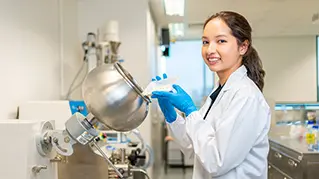
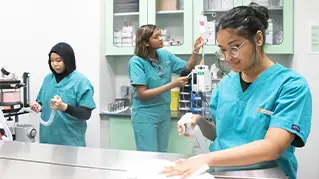
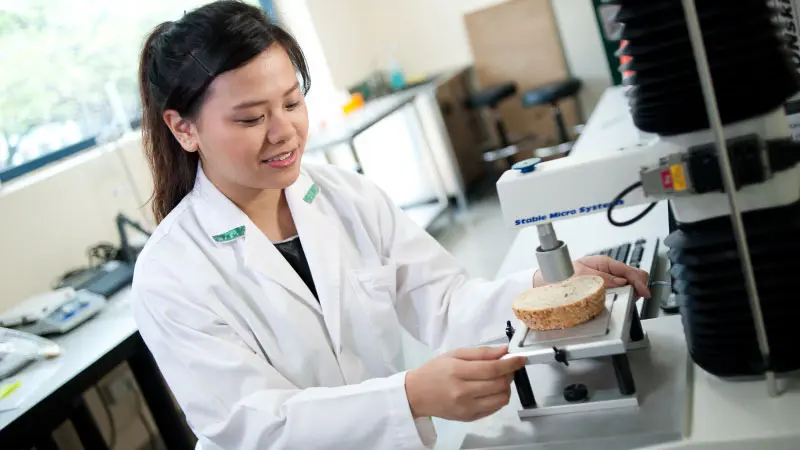
We continue to transform how students learn by making it more practice-oriented so that they can apply their knowledge and skills innovatively in projects. With a proactive mindset, students undertake experiential learning to help hone their talents and achieve more. We get ready for tomorrow through what we are doing today!

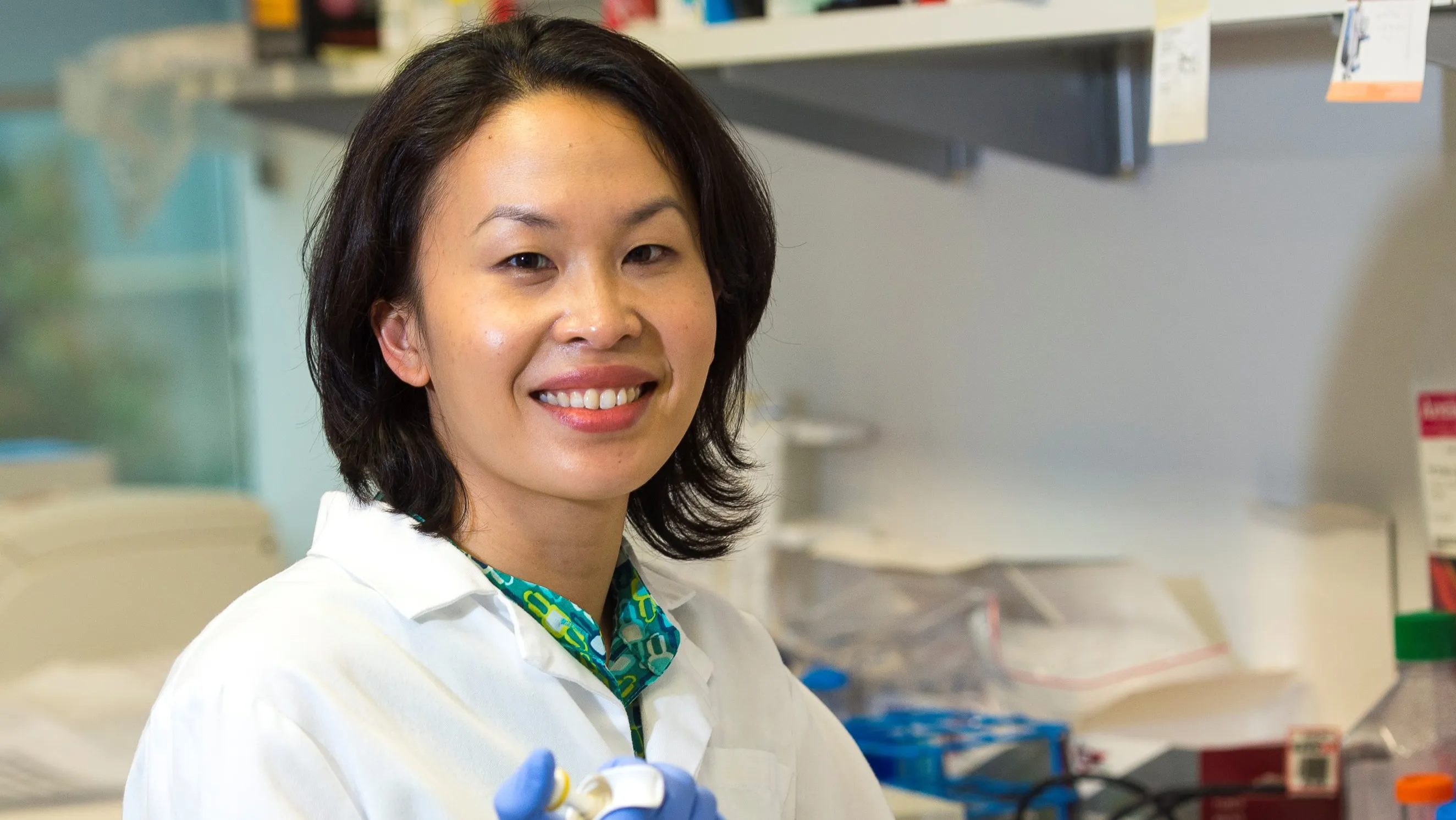
"I have no doubt in my mind that it was the nurturing and guidance (at the School of Applied Science) that has moulded me into the scientist that I am today."
Rebecca Lim
Associate Professor (Research), Monash University, Australia
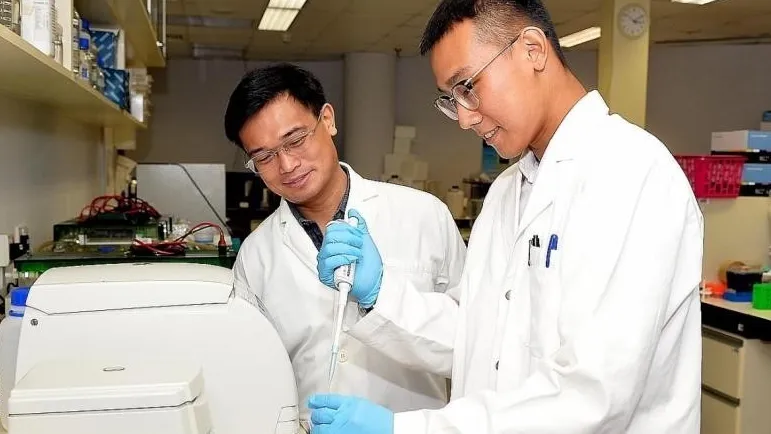
"You cannot measure people just based on grades. Polytechnic graduates have the technical and practical skills which are crucial."
Samuel Gan
Principal Investigator, Bioinformatics Institute, A*STAR
"The lecturers ignited my interest in biochemistry which culminated in my pursuit of undergraduate research in NTU that led to publication in Nature Communication as a second author."
Steven Cheng
PhD candidate, National University of Singapore


What are the career prospects?
- What are the career prospects?
Our graduates are highly sought after by the healthcare institutions, working as Medical Laboratory Technologist works in the clinical laboratories at hospitals to support diagnostic laboratory services and clinical research. Graduates trained in cardiac diagnostics work as Cardiac Technologist at the heart clinics. Graduates can also work in biomedical science research, biotechnology and biopharmaceutical industries, as research technologist, production technologists and QC executives, respectively. For graduates who are more interested in sales, they can work in any biotechnology and diagnostic company to promote biomedical/medical related products.
What will I be studying in this course?
- What will I be studying in this course?
In the first year, students would be exposed to broad-based fundamental knowledge and skills on microbiology, cell biology and biochemistry, inorganic and physical chemistry, digitalisation, laboratory and workplace safety, mathematics, statistics, nutrition and health, and sustainability.
Then after learning the basic knowledge and skills, they need to practice and apply in different context. So, in the second year, students will learn specialised knowledge and skills related to biomedical research and biotechnology. You will learn about molecular biology, bioanalytical technology, cell technology and human anatomy and physiology, synthetic and systems biology, tissue engineering and regenerative medicine that will enable you to work in biotechnology and biomedical science research and industry. Skillsets from haematology and blood banking, immunochemistry, clinical microbiology, and histopathology will enable you to work in the clinical laboratories. Students who take clinical cardiology will be equipped to work in the heart clinics or cardiology departments. Uniquely MBT at TP, you will be equipped with both biotechnology and biomedical science skillsets.
In the third year, students would have the opportunities to experience authentic learning, based on integrated teaching of real projects and intensive training of skillsets in emerging areas. They can opt from several industry relevant elective clusters, including Clinical Cardiology, Clinical Laboratory Practice, Pharmaceuticals & Biologics Manufacturing, Translational Biological Research, and Technical Sales and Marketing. The work-based learning culminates with a 20-week local or overseas internship and a 6-week major project in the last semester.
Contact
- aschotline@tp.edu.sg
- Website: https://www.tp.edu.sg/asc
-
School of Applied Science
Temasek Polytechnic
East Wing Block 1A
21 Tampines Ave 1
Singapore 529757